
How to Generate a Fast DTM in Surpac with No Crossovers | Aerial Surveying
Splicing, Dicing & Breaking Traditional DTM Methods in 2022:
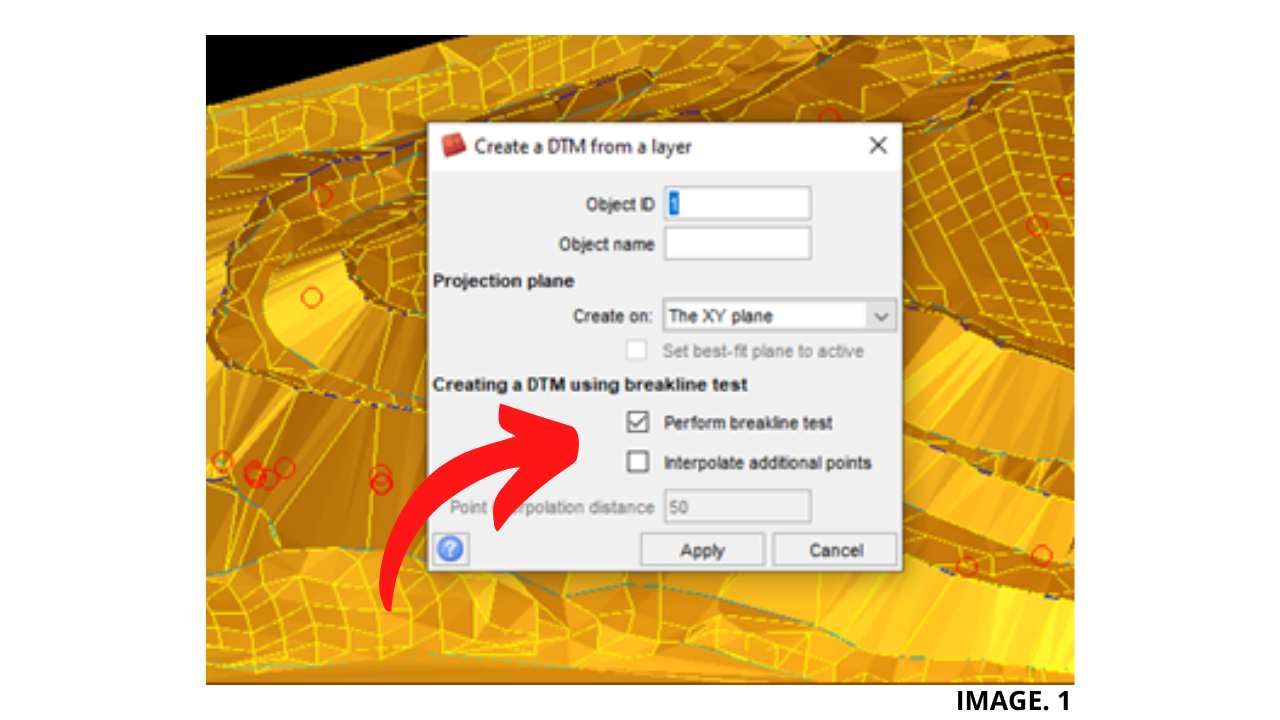
One Great Feature of Surpac when creating a DTM or Digital Terrain Model is the Ability to Check or Uncheck the ‘Perform Breakline Test’ Option, the above Video and also the following Image.1 outlines this Option:
The DTM is required when Calculating Volumes, and will work in Surpac by Interpolating or creating Triangles between given Points, Strings and Breaklines.
To Create a DTM, go to Surfaces >> Create DTM from Layer.
To Not ask Surpac to Perform a Breakline Test, simply Uncheck the Option as shown in Image.1.
There are of Course Negative Implications of not performing a Breakline Test when wanting to Calculate Accurate Volume Measurements. However, NOT Performing a Breakline Test or what I call a ‘Fast DTM’ can have its Advantages.
DISADVANTAGES OF NOT PERFORMING A BREAKLINE TEST:
The most obvious reason of why we need to Perform a Breakline Test; Is to ensure that a very clean DTM Model with no Cross-over Strings or Lines is created. Thus the Option to carry out this Test, ensures that a DTM cannot be created until any outstanding issues have been resolved by the User.
And so, the option to Uncheck the Breakline Test Option, should only be unchecked, if the User definitely knows that no Breaklines Intersect.
There are also another Number of Checks the User can carry out, to clean the Model of any other issues. Other Issues include:
- Duplicate Points
- Closure
- Cross-Overs
- Duplicate Segment
- Minimum Area
- Minimum Points
- Spikes
The User can carry out a Layer Clean by going to Edit >> Layer >> Clean. Other options in the Edit Tab, include the Ability to Clean the Model isolating either by, Layer or Individual String.
END-OF-MONTH CALCULATIONS:
One Ideal Situation to use the ‘Fast DTM’, (Breakline Box Unchecked), is when Splicing together two Open Pit String or Point Cloud Models, from Two separate Dates, (normally End of each month).
In an Open Pit Project, this regularly occurs as the Pit becomes deeper and deeper. Or Vive Verser in a ROM area or Stockpile.
As a starting Datum, the NS or Natural Surface must be first Picked up & Recorded, as a Benchmark for Future Volume Calculations, this is also the same for Stockpiles.
Traditionally Open Pit Mining collects and records accurate data each month, of Volumes removed and/or added. This Process is known as End of Month Volume Reporting.
Other benefits of End-Of-Month Calculations help to better manage and allocate Budgets for Plant, Equipment and Personnel Salaries.
SPLICING or ‘CUTTING IN’:
In Open Pit Mining; The Process of combining two Models together, is known as Splicing or ‘Cutting-In’. It is not uncommon to perform regular Temporary or Fast DTM Models. The Primary use of this Method is for Visual Aid when knowing which Points or Strings belong to which Features.
TIP: ‘See how to Change the Colour of the DTM Surface Model’
As you can see in Image 2, the Issues with the Splicing of Two Models is much easier to view using the ‘Fast DTM’ Option for this Method:
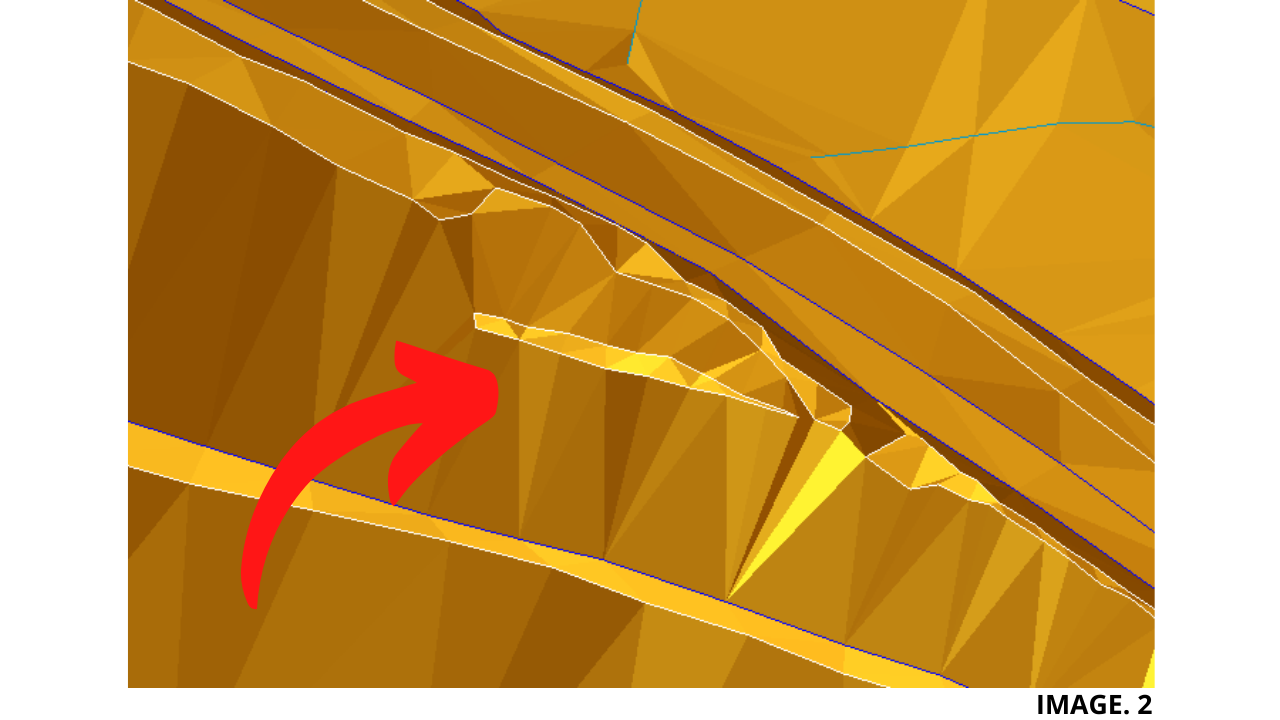
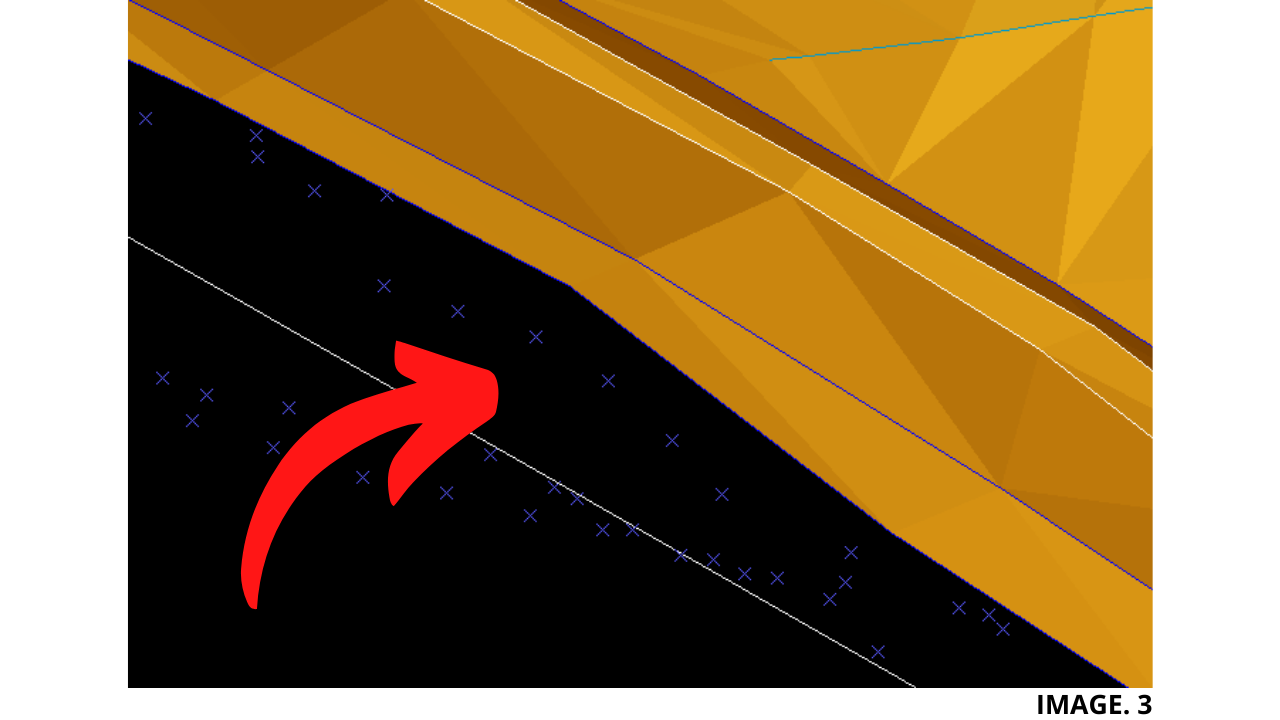
With the Problem easier to see, we can now edit out the unwanted Strings accordingly, and delete or join them to the correct positions that they should be. Image 3 shows how easy these edits can be carried out:
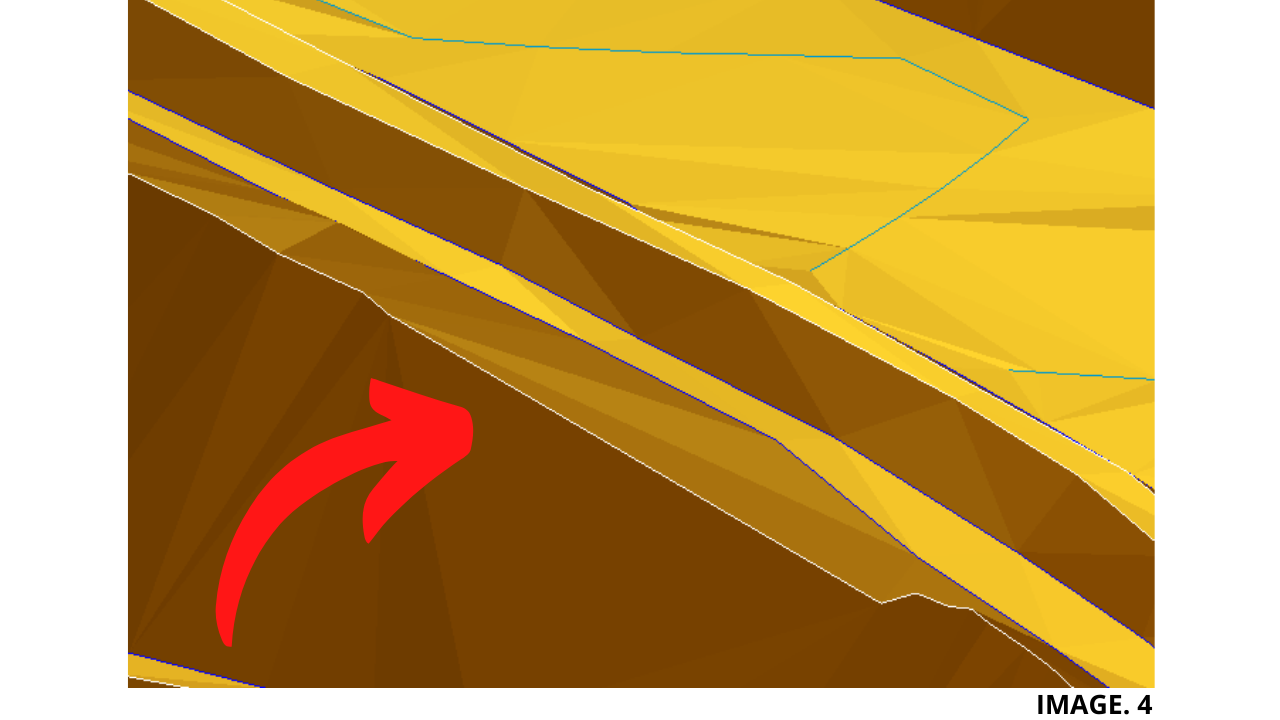
Once you have finished editing, you can then Save and re-import the String. Then you carry out another ‘Fast DTM’, and repeat this Process until your Model is correct. Image.4 shows how the repairs look under a new Fast DTM. Much Cleaner:
DTM MODELLING IN THE FUTURE:
Surveyors Originally created the Software. And so today Surpac remains, still a very relevant Software for use in Mining, using GPS Pickups and Drone Point Cloud Processing. Though currently many Minesites in Australia are Transitioning from Surpac to Desiwik, many of the unique features of Surpac remain to make it somewhat Formidable in competition.
The use of UAV and LIDAR Scanning is somewhat more popular now, and there is somewhat less need for Splicing DTM Models together, however, sometimes when this is not always accessible, the Traditional Method as outlined in this Article is still very much relevant.
POINT CLOUD vs TRADITIONAL GPS PICKUPS:
Obviously the Ability to perform a 15 minute UAV flight and collect Millions of points; then, using Photogrammetry Software, such as Agisoft, to Splice or join each Photograph together is an Amazing Tool for Surveyors in the Mining Industry today.
TIP: ‘How to Process a UAV Point Cloud in Surpac’
Another Big Advantage of UAV Data Collection on an Open Pit Mine, is the Ability to Scan Large Areas of sometimes mostly Dangerous Areas, where the Average Individual cannot Access on Foot.
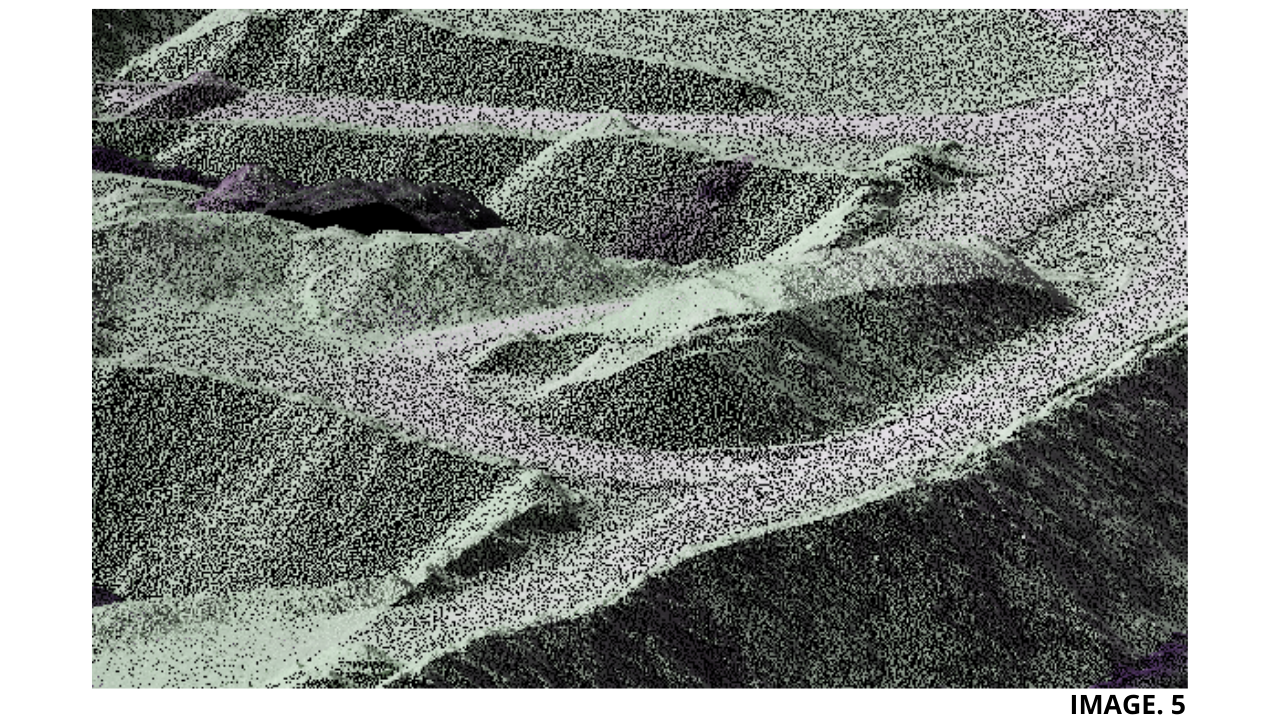
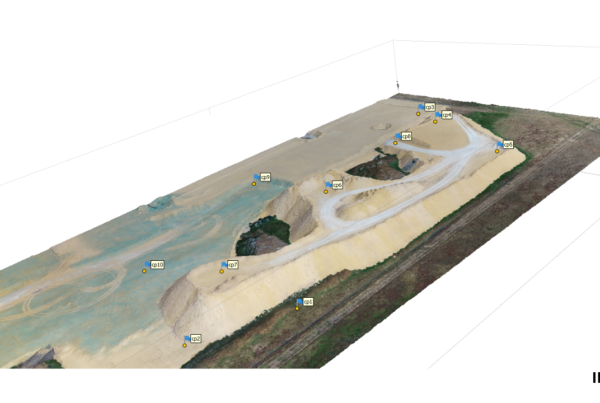
Image.5 shows the result of a Point Cloud Spliced in Agisoft Metashape then imported into Surpac 2021. The Quality and Precision of a Point Cloud clearly is a Winner when compared to Traditional GPS Pickup.
The Real question today then, is why are Traditional Methods for DTM Formation such as Trimble R10 GPS Pickups still relevant and used widely today?
TIP: ‘How to Mesh point clouds faster in Surpac’
NEGATIVES OF TRADITIONAL METHODS:
Disadvantages of Traditional GPS include:
- We must must Setup a Base Station, as well as a Rover
- Both Base and Rover need Batteries
- Base must be Located in a Safe and Clear Location, preferably above a Known Point
- We can Collect Much Less Points with a GPS Rover
- GPS & Base are usually more Expensive than UAV (without RTK)
- We must Operate the The GPS Rover Manually
- GPS Rover needs a Good Signal to Pickup Points Accurately
- In General, there are more Safety Concerns with Traditional GPS than UAV Point Cloud Processing
ADVANTAGES OF TRADITIONAL GPS PICKUP:
Advantages of Traditional GPS Pickup include:
- GPS is more Appropriate if only a small busy Area needs Surveying
- It is more Useful for marking out Individual Points, such as Drill Holes
- We can Achieve much Quicker Processing
- GPS can sometimes Survey Areas that UAVs can’t, i.e. under a Large Overhang.
IN CONCLUSION:
To Conclude, the Method of Manually Splicing Models in Surpac is still a very important and useful skill to learn in today’s Surveying and Mining Industry.
In looking at the Advantages and Disadvantages of Traditional Methods vs latest Technology, it is Safe to say that not always does the latest Tech Trump the Traditional Manual Methods.
And it will be an interesting Area to Monitor as we Progress into the Future, with Innovation Constantly Escalating.




Recent Comments