

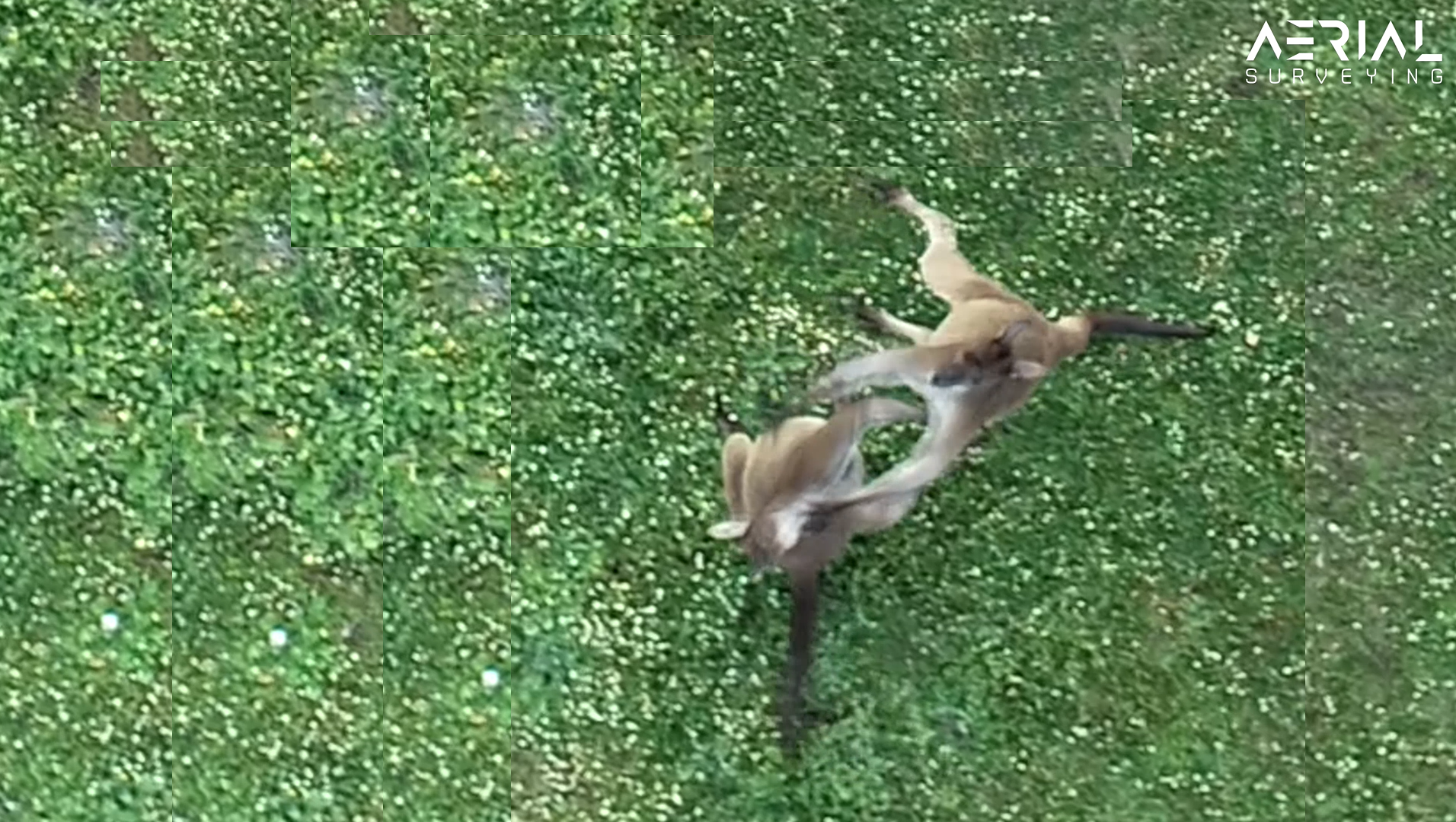
Surveying Kangaroo Populations
Why Survey Kangaroos?
Surveying the Kangaroo Populations in Australia Primarily involves counting the Numbers. The reasons for this are to ensure that Harvests are protected.
The most important Factor is to Monitor the overall Trends in Population Sizes, either Growth or Decline.
The Primary Focus in Surveying Kangaroo Populations is to ensure that the Populations are Ecologically Sustainable.
In NSW for Example, the Method involves Surveying of Populations separated into 15 Management Zones.
TIP: ‘Click Here to View More About Kangaroo Population in NSW’.
Over Populations of Kangaroos, have in the past shown to present a Risk to Plant Biodiversity.
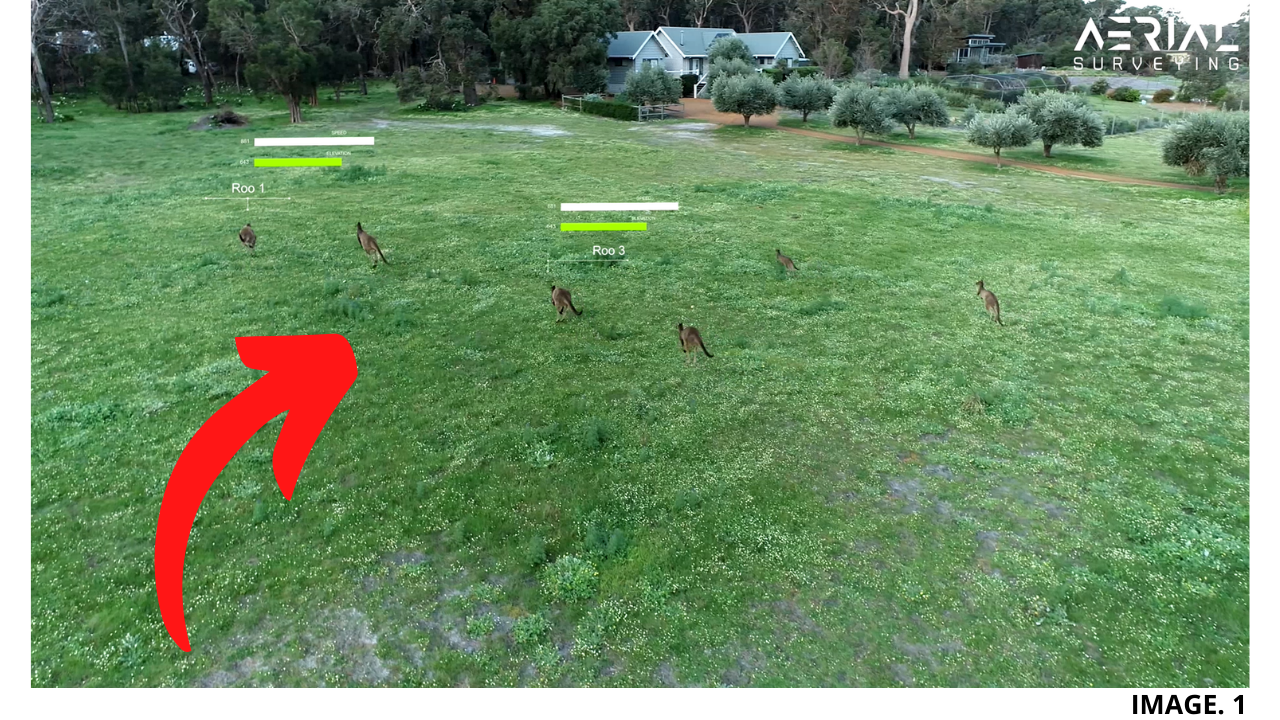
Image 1. Shows Kangaroo Population Being Counted:
Other Issues Caused by too many Kangaroos:
Other Issues include;
- Traffic Accidents.
- Damage to Farms, Crops, Machinery, Fences.
- Vulnerable Vegetation can be Negatively Affected.
- Competing with other Livestock for Grazing Areas.
- Can Sometimes become Aggressive towards people as they Move Outwards and are Fed by Humans etc.
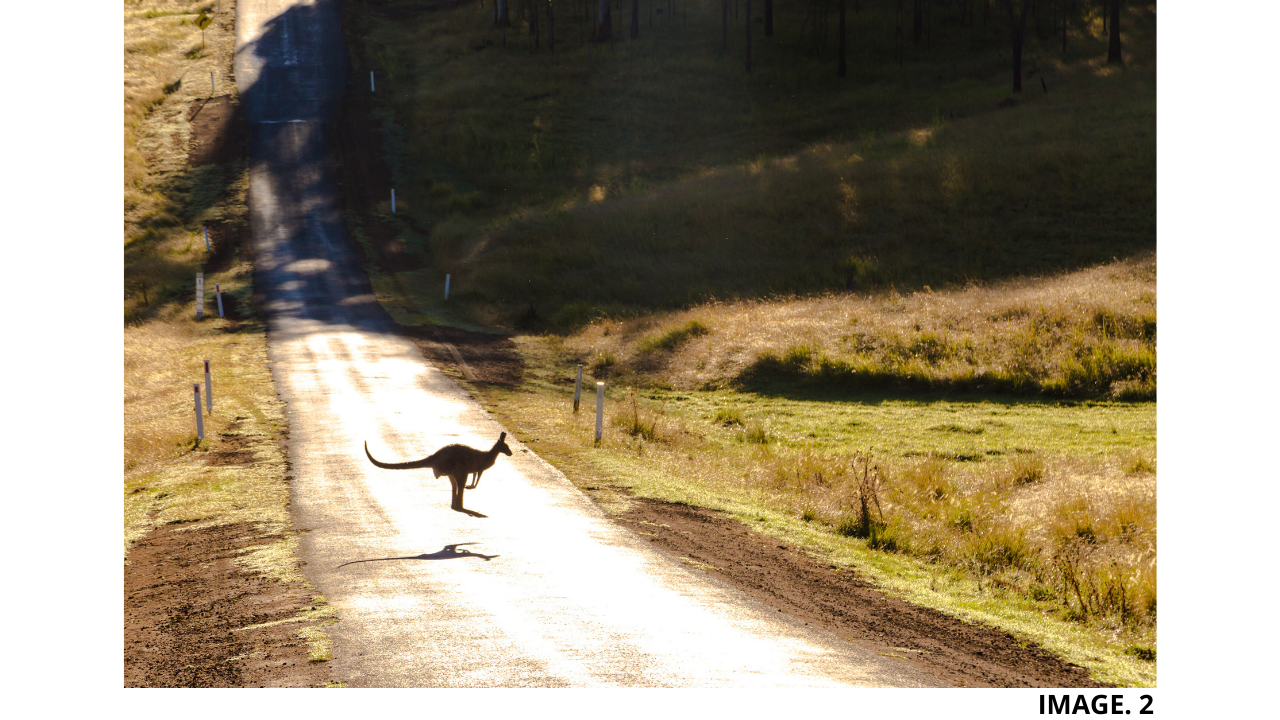
Image 2. Shows a Kangaroo in a Country Australian Road:
Methods of Population Control:
In cases of Over-Population, many Kangaroos are culled. In other Examples, Fences and other Barriers are implemented to effectively protect Biodiversity in some Areas.
A number of culling Methods are applied today in Australia, they include, Shooting, Tranquilising, Poisoning, and Fertility Control. Different States have varied Laws, for Example, the ACT does not allow poisoning unless it is safe, humane and target specific.
TIP: ‘Click to Read More Detail About Kangaroo Culling in Australia’.
In other instances, the Dingo, is the only other Non-Human Predator which is able to limit Kangaroo Population Growth.
How to Survey Kangaroos?
Surveying Kangaroos over Large Areas is primarily done with Aerial Surveying Methods.
However, Ground Surveys, either walking or Driving are also carried out, if the Aerial Method is too Dangerous or too Vegetation Dense.
Other Smaller Sampling Methods have included the Mark-Recapture Method.
Aerial Surveying Methods Traditionally involve Fixed Wing Aircraft and Helicopter Flights.
The Fixed wing Method, involves the Aircraft flying over a Transect Line pf 200m Width. Two Surveyors are on board each counting Kangaroos at either side of the Aircraft.
Image 3. Shows an Aerial Surveying Camera Setup on a Fixed-Wing Aircraft:

Line transect ‘Distance’ sampling method:
This Method is used primarily for estimating the Size and/or Density of Biological Populations.
The Survey is carried out along a Series of ‘Lines’. The Surveyor uses a Device, or a Monocular Laser to measure distance and Angles.
During Sampling, Most of the Animals are not counted, due to them not being contained in a ‘Strip’.
TIP: ‘Click Here to Read More About Line Transect Distance Sampling’.
Using then a Formula to calculate the Areas not contained in the Strips, we can find out an Accurate Estimate of the Numbers in Total.
Are UAVs used today?
UAVs are used today in Surveying Kangaroos, however, the duties include mainly Monitoring.
Better Technology today allows us to use UAVs equipped with Thermal Imagery to better see and detect Populations among Dense Areas.
However, UAVs are still Not Primarily used Counting over Large Areas as issues arise in Range.
Therefore, the Primary Method still used today to Count Populations is still the Helicopter and Fixed-Wing Manned Aircraft.
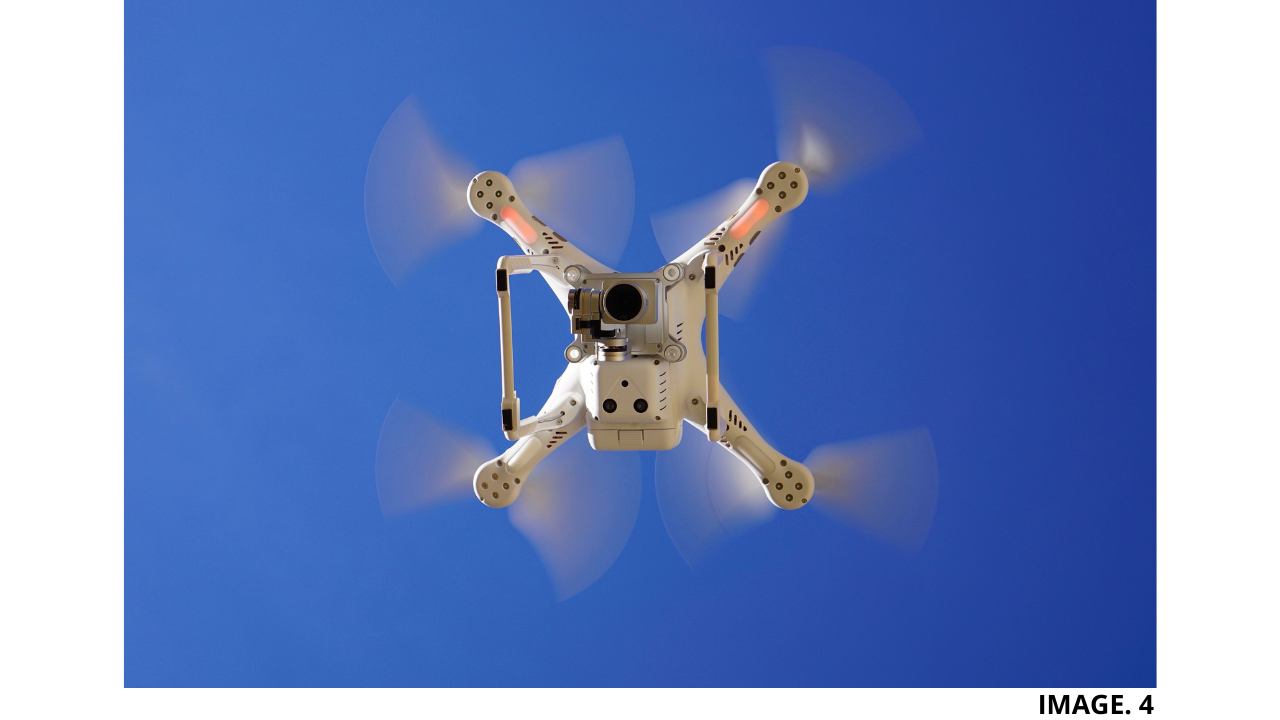
Image 4. Shows a UAV from Below:
Conclusions:
Given the Rise is Technology and Advanced Methods of Surveying Australia’s Kangaroo Population, it is still however unable to Accurately Count 100% of the Population, this being due to Difficult Terrain and other Hard to reach Areas.
TIP: ‘Click Here to View More About Surveying of Flora & Fauna’.
To get a Rough Estimate of the Total Number of Kangaroos in Australia, in 2011 the Australia Department of Agriculture, Water and the Environment Estimated a Total of 34,303,677.
With other Sources Estimate that today there could be around 50,000,000.
Image 5. Shows a Kangaroo Warning Road Sign:




Recent Comments